13 October 2023 , 12:01
1302
0
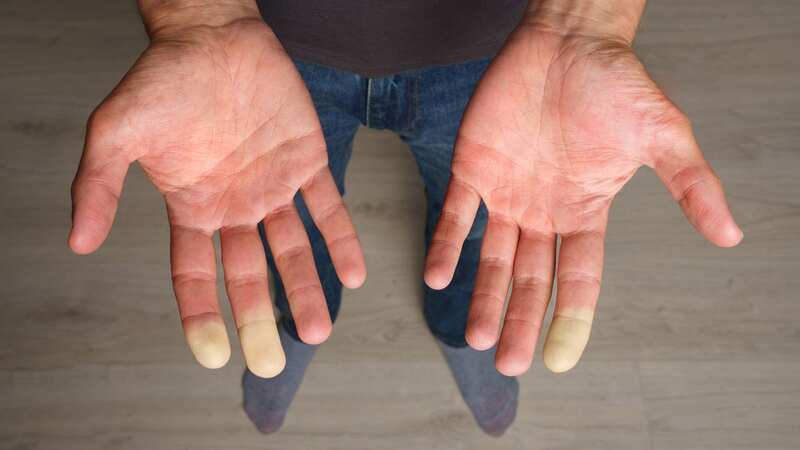
Scientists have identified the cause of a painful, chronic condition which results in a person's fingers and toes changing colour.
Millions of people suffer with Raynaud’s phenomenon, a heritable condition that affects blood circulation. Those with Raynaud’s often experience pain in their fingers and toes, often alongside changes of colour in their skin, due a lack of blood flow during attacks when they’re cold or emotionally stressed. In more serious cases, it can cause severe pain or ulcers.
Now, researchers at Queen Mary University of London’s Precision Healthcare Research Institute (PHURI) and the Berlin Institute of Health (BIH) at Charité – Universitatsmedizin Berlin have identified the genetic causes of the condition. The findings will help millions of people across the world and could lead to the first effective treatments for people with Raynaud’s.
Dr Emma Blamont, head of research for Scleroderma and Raynaud's UK, said: "Raynaud's is a painful, chronic condition that affects around one in six people in the UK. We know that attacks can be brought on by certain triggers like cold and stress, but relatively little is known about why some people experience Raynaud’s and others don’t.
"For the millions of people living with this condition, simple everyday tasks can be a challenge, so research like this, which significantly advances our understanding of Raynaud's and the role that genetics may play in causing it, is crucial. The next step is to confirm these important findings in more diverse population groups and validate the results through functional studies. If successful, these findings could help us unlock more new therapeutic avenues for Raynaud’s leading to better, more targeted and kinder treatments."
 Teachers, civil servants and train drivers walk out in biggest strike in decade
 Those with Raynaud’s often experience pain in their fingers and toes, often alongside changes of colour in their skin, due a lack of blood flow (Queen Mary University of London)
Researchers discovered those with Raynaud’s have mutations to two genes - one linked to stress and the other to embryo development. According to the study, published in the journal Nature Communications, the findings could lead to recommendations for patients to help manage the condition or its symptoms
Up until now, there are limited treatments available for those with Raynaud's. People with the condition are usually advised to keep warm, avoid sudden changes in temperature and eat a healthy, balanced diet.
Researchers discovered a variation in two genes that predisposed people to Raynaud's. The study found one was the alpha-2A-adrenergic receptor for adrenaline, also known as ADRA2A. This is a stress receptor that causes the small blood vessels to contract.
"This makes sense when it's cold or dangerous, because the body has to supply the inside of the body with blood," said Maik Pietzner, Professor of Health Data Modelling at PHURI and group leader at BIH. "In Raynaud's patients, this receptor seemed to be particularly active, which could explain the vasospasms, especially in combination with the second gene that we found: This gene is the transcription factor IRX1, which may regulate the ability of blood vessels to dilate.
“If its production is increased, it may activate genes that prevent constricted vessels from relaxing as they would normally do. Together with the overactive adrenaline receptor, this may then lead to the vessels not suppling enough blood for a longer period of time, which leads to the observed white fingers and toes.”
 Scientists have now identified the cause of Raynaud’s phenomenon (Getty Images)
Researchers showed that people with a genetic predisposition to low blood sugar levels have an increased risk of Raynaud's, suggesting people should possibly avoid longer episodes of low blood sugar. Claudia Langenberg, Director of PHURI and Professor of Computational Medicine at BIH, added: "Of course, we ultimately hope that our findings will point to novel treatment options.
"Approved drugs that more or less specifically inhibit the function of ADRA2A, such as the antidepressant mirtazapine, already exist, and our results suggest that these may present alternative treatment options for patients suffering from the symptoms of Raynaud’s.”
Raynaud's affects blood circulation and your fingers and toes may change colour when you are cold, anxious or stressed. Pain, numbness and pins and needles are other symptoms those with Raynaud's experience.
According to the NHS, skin may turn white or a lighter colour as blood flow is restricted. Skin colour can also turn blue and then red as blood flow returns.
Some people also find that their ears, nose, lips or nipples are affected. Symptoms of Raynaud's may last from a few minutes to a few hours.
 Greggs, Costa & Pret coffees have 'huge differences in caffeine', says report
 Raynaud's is a painful, chronic condition that affects around one in six people in the UK (Getty Images/iStockphoto)
According to the NHS, those diagnosed with Raynaud's should: