Not wearing your glasses could increase your chance of getting dementia
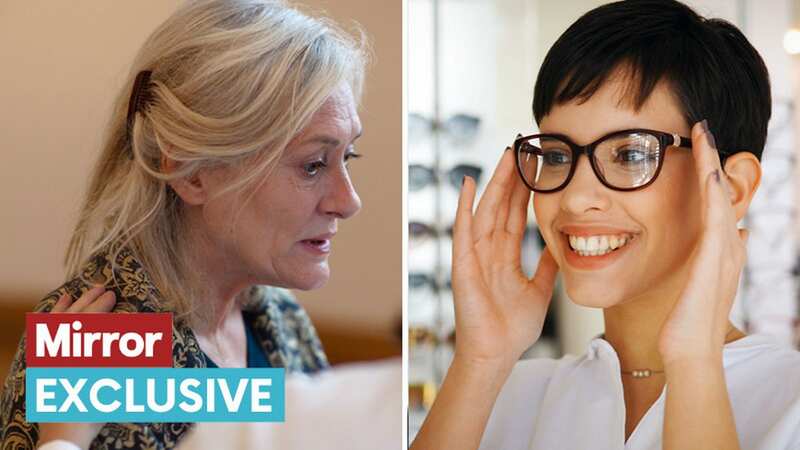
Wearing glasses and ensuring that you can see to the best of your abilities can actually reduce the risk of dementia, according to an expert.
Nearly 198 million Americans - or 75% of the population - require some form of vision correction, according to The Vision Council. And among them, nearly 167 million wear corrective lenses, but many don't know that wearing corrective eyewear and taking care of your vision can actually reduce your risk of suffering from the degenerative condition.
Stimulating your brain can help reduce the risk of dementia by keeping certain neural pathways firing, according to Kevin Jameson, the president, CEO and chairman of the board of the Dementia Society of America. Doing so can be as simple as maximising the sensory input you get from seeing or even hearing, feeling, smelling and tasting.
READ MORE: Common disease that can spike your risk of developing dementia, expert warns
 Kevin Jameson is the president, CEO and chairman of the board of the Dementia Society of America
 Jameson said that addressing vision issues can help reduce the risk of dementia (Getty Images)
"If somebody needs glasses but they don't use them, you're not stimulating the brain with all of the sensory input that you could potentially provide to the brain," Jameson told The Mirror US, adding that "essentially, if you don't use it, you lose it." Dementia is "a collection of symptoms caused by a disease, diseases or disorders or conditions," Jameson continued, referring to it as "a pretty wide aperture" for what he deemed "an umbrella condition."
 England star Joe Marler reflects on lowest point after fight with pregnant wife
There are many different types of dementia, including vascular, Lewy body, frontotemporal, chronic traumatic encephalopathy (CTE), normal pressure hydrocephalus (water on the brain) and the most well-known, Alzheimer's disease. While some of those conditions are genetic, meaning your DNA can put you at a higher risk, the majority can be mitigated by addressing lifestyle risk factors, which can include poor vision and the loss of other sensory inputs.
For all the latest news, politics, sports, and showbiz from the USA, go to The Mirror US
"Hearing loss, vision loss, sensory loss — like the ability to touch or smell — these are all connected to a decrease in brain simulation," Jameson explained. "And when you fail to use the full scope of your vision, hear everything you're supposed to and address other sensory issues, you're not "stimulating the entirety of the brain," he said, adding that means people are not fully exercising their neural pathways.
Ensuring you are stimulating the brain can help strengthen those pathways, ensuring they deteriorate at a slower rate as you age. Jameson said brain degeneration, which can lead to dementia, is "a natural part" of aging and life, but he said measures can be taken to slow it down, perhaps even out-living it.
"It may not be that you're going to stop dementia from coming your way in the future, but you can do a lot to mitigate the risks so you can stave off and possibly out-live it," he explained while encouraging the public to wear glasses if they're prescribed them or to look into hearing aids.
Read more similar news:
Comments:
comments powered by Disqus