Four key symptoms of bedbug bites to look out for include itching
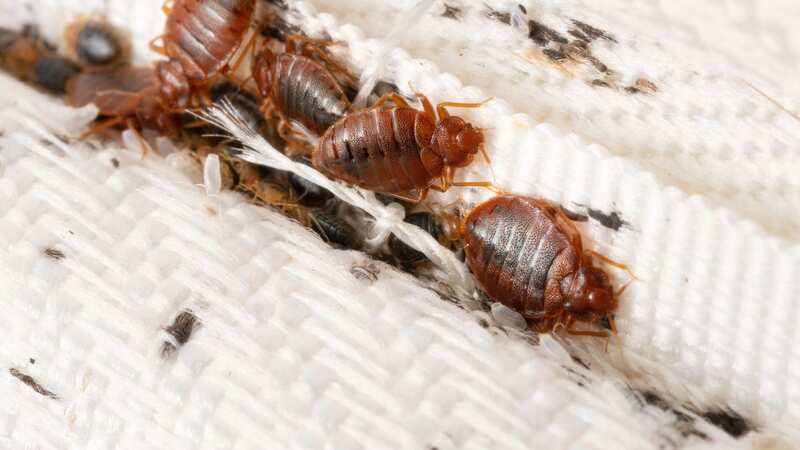
Bedbugs can in rare cases cause difficulty breathing or swelling of the throat in worst cases - but typically there are four ways to identity a bite.
An infestation has broken out in Paris and there are now fears that a "scourge" of bedbugs will overshadow the 2024 Summer Olympics. The small, brown insects, close in size to apple seeds, can infest luggage so tourists travelling to and from the French capital have been warned to be vigilant.
Their bites tend to be very itchy and uncomfortable, but are not usually dangerous. In worst cases, such as in severe allergic reactions, difficulty breathing or swelling of the face or throat may occur. In these cases, urgent medical attention should be sought.
Phil Day, a medical professional from Pharmacy2U, has today shared four tips on how to identify a bedbug bite:
- Pattern: Bedbug bites usually appear in a clustered or linear pattern in areas of exposed skin such as arms, legs, neck, and face.
- Appearance: They typically resemble small, red welts or raised bumps. On black or brown skin, they may look purple and may be harder to see.
- Itching: Bedbug bites can be intensely itchy, and the itching may persist for several days.
- Nocturnal occurrence: Bedbugs are most active at night, so bites often occur while you’re sleeping.
Bedbug bites usually resolve on their own within a week or two. There are, though, ways to help ease the pain and treat the bites, and these include;
 Insect blamed for mystery rise in life-changing illness that alters eye colour
- Cleaning the Area: Wash the affected area gently with soap and water to reduce the risk of infection. Avoid scrubbing, as this can irritate the bites.
- Topical steroids: Your pharmacist can advise on the best over-the-counter hydrocortisone cream or ointment that can help relieve itching and inflammation.
- Antihistamines: Taking an oral antihistamine like Piriteze can help reduce itching and discomfort. These are available to purchase on Pharmacy2U, please follow the dosing instructions given by your pharmacist
- Avoid Scratching: While it’s tempting, scratching can lead to infection and prolonged healing. Try to resist the urge to scratch the bites.
- Cold Compress: Applying something cool like a clean cloth soaked in cold water can relieve itching and reduce swelling.
Mr Day, who used to work for Boots and has been lead pharmacist in University College London research in medicine, says it is important to prevent further bites. To do this, you can;
- Inspect and clean: Thoroughly inspect your bedding, mattress, and the surrounding area for signs of bedbugs. Wash and dry your bedding, including sheets and pillowcases and any items of clothing that may have come into contact with the bedding, on high heat for at least 30 minutes to kill any bugs.
- Seek a professional: If you suspect a bedbug infestation in your home, it’s best to contact a professional pest control service or local council for effective eradication.
- Travel precautions: When travelling, inspect hotel rooms for signs of bedbugs. Keep your luggage off the floor and inspect both luggage and clothing before bringing them back to your room.
Read more similar news:
Comments:
comments powered by Disqus