03 October 2023 , 09:00
1233
0
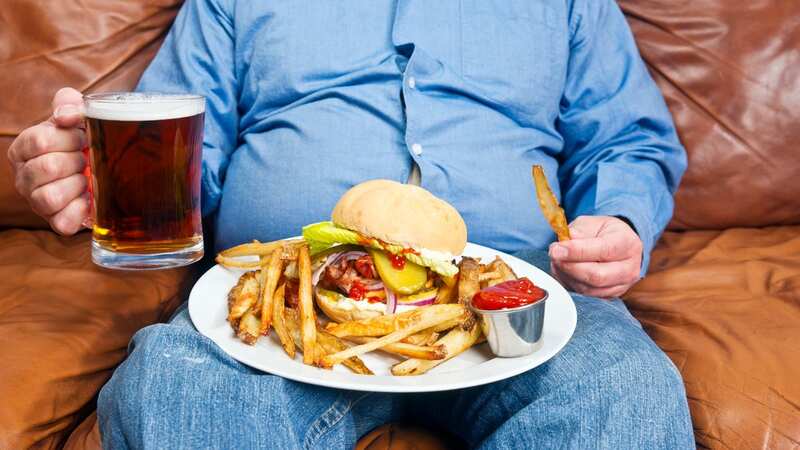
When was the last time you considered having your cholesterol checked? If the answer is never, don't worry, you're probably not alone. But did you know that getting it checked could be the difference between life and death, literally. Cholesterol is a fatty substance needed for cells to function properly but too much of it in your blood could lead to a build-up in your arteries which increases your risk of a heart attack. More than two in five people in England have high cholesterol which puts them at significant risk of developing heart disease, a statistic the British Heart Foundation (BHF) is keen to highlight during National Cholesterol Month this October.
Ruth Goss, Senior Cardiac Nurse at BHF, says it’s important to highlight that anyone can be affected and often there aren’t any warning signs. “Anybody can develop high cholesterol and it can be caused by many different things, including lifestyle factors such as smoking and things we can’t control like getting older," she says. "There are usually no symptoms of high cholesterol and it's often a hidden risk factor, meaning it can happen without us knowing. You can ask your GP to check your levels with a simple blood test.”
 Quitting smoking can lower cholesterol (Getty)
The good news is changing your diet and lifestyle, stopping smoking and cutting down on alcohol can lower your cholesterol and reduce your risk of a heart attack. Emma Broome discovered she had high cholesterol when she was just 23-years-old, despite being young, fit, and healthy. After her mum passed away, she was diagnosed with Familial Hypercholesterolemia (FH) - a genetic disorder affecting about 1 in 250 people which increases the likelihood of people developing coronary heart disease at a younger age.
“At first I was really scared that I would have a heart attack,” Emma says. “I used to enjoy running, but it took me 10 months to start again after my mum passed away. Everyone should have their cholesterol tested. If your cholesterol levels are high or you have a history of heart disease in your family you should ask to be tested for FH and ideally Lp(a). With Lp(a) or bad cholesterol you can actually have normal cholesterol levels. Unfortunately a misconception people have around high cholesterol is that it’s ‘our fault’. That we’re unhealthy, don’t exercise, have a poor diet, and for a lot of us this simply isn’t true. I’m a personal trainer and have a diploma in nutrition. At 44 I still compete in gymnastics, and enjoy mountain biking, skiing and running."
Get checked out: Often there are no warning signs that you could have high levels of cholesterol in your blood and it could be inherited so the best thing is to ask your GP to conduct a simple blood test.
 Woman tells of losing 29 kilos and becoming a bodybuilder in her 60s
Incorporate exercise into your daily routine: Exercise helps to lower cholesterol because it makes your heart pump faster. Experts recommend 30 minutes of moderate exercise five times a week which could be brisk walking or swimming.
Up your fibre intake : Aim for five portions of fruit and veg each day and opt for whole grain versions of bread, pasta and rice.
Try oats for breakfast: Start your day with a bowl of porridge. Oats contain beta-glucan which can lower your cholesterol.
Choose healthier fats: Swap foods that are high in saturated fats for those with levels of good cholesterol. Eat less meat, cheese, cream and butter and opt for salmon, mackerel and extra virgin olive oil instead.
Eat more plant foods: Cholesterol is only found in foods that come from animals, there is no cholesterol in foods that come from plants so incorporate more grains, seeds, nuts, beans, peas and lentils into your diet when you can.
Quit smoking: Quitting smoking can help reduce the level of bad cholesterol in the bloodstream. At the same time, it can also increase the level of good cholesterol, which has a protective effect on the arteries. Within a year of quitting your risk of heart disease will be halved.
Cut down on alcohol: Cutting down can help you to lower your cholesterol levels. The good news is that research has found that just four weeks without a drink can be enough to start lowering both blood pressure and heart rate.