Travel expert explains why you should always try and book the window seat
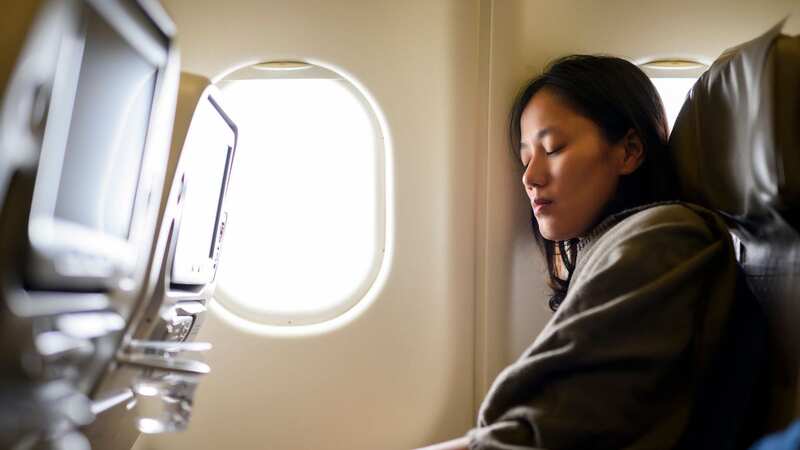
Choosing a window seat is a must if you want to sleep well on a flight, according to a travel expert.
James Smith, founder of the tours and activities booking website Travel Lingual, has put together some tips on how to get the best sleep while flying. Mastering the ability to nod off while cruising above the clouds is useful if you travel a lot or opt for early morning flights.
Often earlier or overnight flights are cheaper, but can leave you feeling wiped out at the start of your trip. Being able to enter the land of nod as the landing strip slips into the distance is a great way to arrive refreshed and with a little more money in your pocket.
“For those who don’t have the luxury of travelling in first class, there are numerous measures you can employ to ensure a good rest even on budget airlines," James claimed. Here are his seven tips.
 Sleeping on a flight isn't always simple
Select your seat wisely
Opt for a window seat if possible. This not only gives you a wall to lean on, but also prevents disturbance when co-passengers need to use the restroom. Aisle seats, on the other hand, may provide a bit more legroom. Some airlines, such as Ryanair and easyJet, charge extra for passengers who want to chose their seat, so make sure you take that into account.
 Brit uses browser hack to bag business class seat for less than price of economy
Dress comfortably
Wear loose-fitting clothes made of breathable fabric. Consider layers to adjust to cabin temperature changes, and don’t forget warm socks. It can get much colder than you think up in the air, even though the cabin's temperature is adjusted. You certainly don't want to be enduring an icy chill when trying to fall asleep.
Neck support
An ergonomic travel pillow can prevent your head from dropping forward, offering neck support and aiding in better sleep. The best way to use these is with the pillow in front of you so you can lean your head on it, rather than round the back of your neck.
Limit light and noise
Eye masks can block out cabin lights, and noise-cancelling headphones or earplugs can help drown out ambient noise. If you have trouble falling asleep or staying asleep, a quiet, constant sound can help block out external noises. White noise machines are made specifically for this, but a similar sound through headphones can help drown out the background hub-bub.
Stay hydrated
Cabin air can be quite dry. Drink water before and during the flight, but avoid caffeine and alcohol as they can disrupt your sleep cycle. You are more likely to be affected by stimulants and depressants at high-altitudes, and making sure you're hydrated can be one of the best ways to deal with this.
One problem with staying full of water when flying is that stringent rules around bringing liquid onto planes at most airports means you have to fork out for a usually expensive, often plastic bottle of water. A way to get around this is to bring an empty bottle with you to fill up at a fountain in the departure lounge.
Adjust to the destination time zone
If you’re crossing multiple time zones, try to sleep according to your destination’s night-time. This can help in reducing jet lag. This is certainly a tip that requires some discipline as you'll need to start planning several days early if you are travelling a long way. You'll also have to get up very early if you're heading anywhere to the east of the UK.
Limit screen time
The blue light from screens can interfere with the production of melatonin, a hormone that regulates sleep. If you zap your brain full of too much of this before you're trying to nod off, then you may find yourself gazing at the back of a plane seat for longer than you'd like. Consider reading a book or listening to calming music instead.
Read more similar news:
Comments:
comments powered by Disqus