Scientists can now say the role climate change has on extreme weather events
It has been a record year of deadly heat, killer floods and raging wildfires.
Last month, catastrophic flooding in the Libyan city of Derna left up to 20,000 dead after torrential downpours led to two dams bursting. But how far are we to blame for extreme weather events? Step forward the “forensic scientist of climate change”.
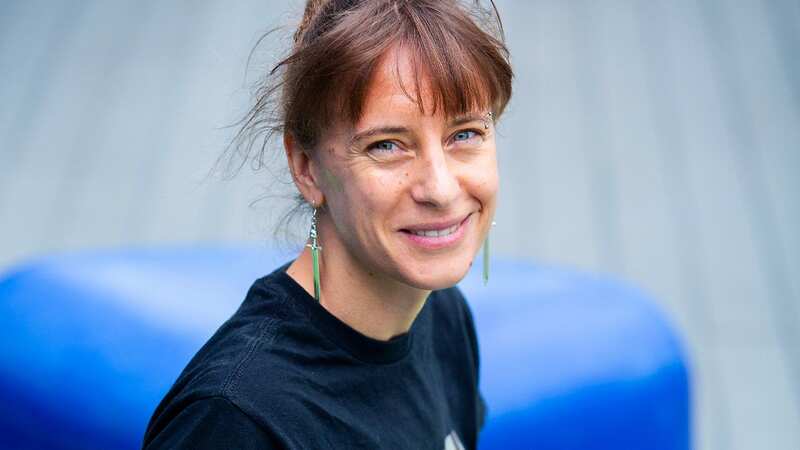
Friederike Otto made the Time 100, its list of the world’s most influential people. The 40-year-old’s remarkable skill has been to find a scientifically credible way to quickly calculate how likely our “weird weather” is a result of man-made climate change. It’s everything you’d expect from the author of a book called Angry Weather.
We met at Imperial College in South London, where German-born Fredi is the senior lecturer in climate science. She explains how this summer’s heatwave that scorched Europe, and saw Death Valley in the US record temperatures over 50C, would have been virtually impossible without human cause. For some events there is more global warming at work than others but with heatwaves, Fredi stresses “we always find climate change is one of the main causes”.
Thanks to the World Weather Attribution project, scientists can now speak confidently about the degree climate change plays in individual emergencies. “We are the only group in the world doing this regularly on a rapid basis,” she said. Crucially, they don’t wait for a peer review of their findings, which can take a year.
 Gales, snow and rain to batter country today with 80mph wind gusts
“If every time an extreme weather event happens you hear an assessment on how much climate change is to blame, you’re constantly reminded of the reality of it,” she says. “If it’s your grandmother admitted to hospital because of a much more intense heatwave, it will affect you differently than reading about a threatened polar bear.”
A few days after we met, Fredi’s team revealed because of Libya’s armed conflict and the city having been built on floodplains with poor dam maintenance, the disaster was 50 times more likely due to climate change, with 50% more rain. But Fredi does have hope that by “bringing climate analysis into everyone’s backyard”, people will feel more responsible – and act to save the planet.
Read more similar news:
Comments:
comments powered by Disqus