Doctor debunks 'old wives tale' about swallowing gum and explains what happens
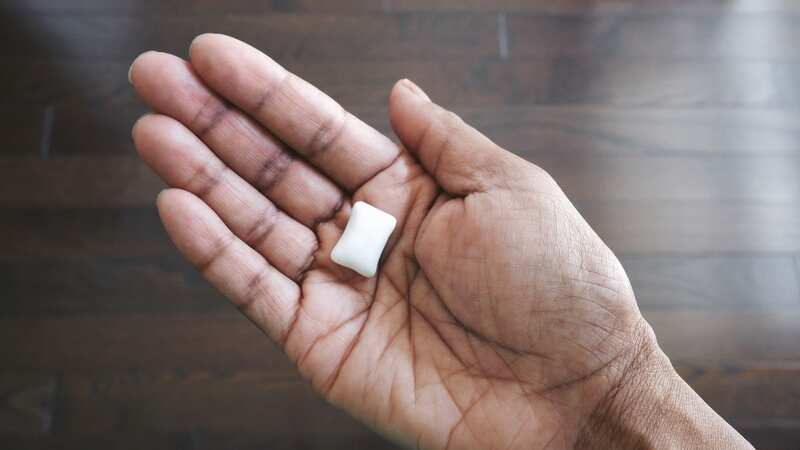
It's likely at least once in our lives we've accidentally swallowed a piece of chewing gum - so it's common to wonder what actually happens to it in our bodies.
The old saying that it will stay in your body for the next seven years is enough to fill anyone with dread, but a doctor has debunked this tale once and for all, and explained what really happens to the gum.
Reassuring people it isn't actually true, the doctor recommends not making a habit of it, but if it happens there's no need to panic too much.
Simon Travis, a professor of clinical gastroenterology, who works for the University of Oxford, decided to debunk the old wives tale and highlight what really goes on when it's swallowed. Speaking to CNN he said: "I've no idea where the myth came from. I can only imagine that it was suggested because someone wanted to stop their children from chewing gum.
"If you swallow chewing gum, it'll go through the stomach, and go through into the intestine, and pass out unchanged at the other end. There are cases of chewing gum lodging in the intestines of infants and even children if they've swallowed a lot, and then it causes an obstruction, but in over 30 years of specialist gastro practice, I've never seen a case."
 'I don't want children staying up late at weekends - I really need adult time'
As this may be a relief to many, he urges people to try and avoid it, as regularly swallowing it can be harmful and "swallowing three or more pieces of gum per day would be considered excessive". Chewing gum is made from gum-based sweeteners, flavouring and scents and it's a mixture of elastomers, resins, fats, emulsifiers and waxes. Those who suffer with gastrointestinal problems, such as Crohn's disease, should avoid swallowing it, as it might take longer for their bodies to to break it down.
Read more similar news:
Comments:
comments powered by Disqus