Landscaper warns that planting in wrong direction could be damaging your garden
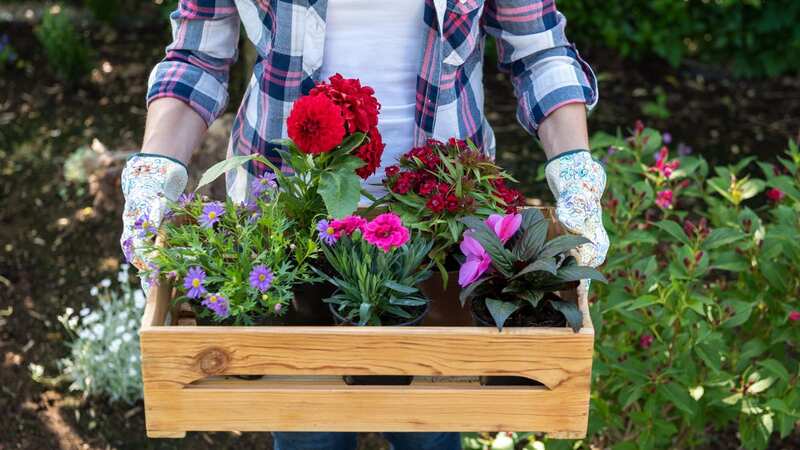
Even if you love gardening and consider yourself pretty green-fingered, it's likely we've all made a few mistakes here and there when it comes to maintaining our outdoor areas, and a professional might see your green space a little differently, and bring a new perspective to what you could be doing to improve things.
Gardening enthusiasts are likely to be most worried about whether they are watering their plants the right amount, either too much or too little, but experts polled for a recent study don't think that's the biggest issue facing most people's gardens at all. Instead, they believe that one of the biggest mistakes we're making is actually something that begins much earlier: the design of the garden itself.
Of the landscapers and gardeners polled for the study conducted by Toolstation, half felt that poor garden design was one of the biggest issues they saw in people's gardens. Fiona Jenkins from MyJobQuote.co.uk highlights the importance of "establishing which direction your garden faces or its aspect, the amount of shade it gets during the day and the type of soil you have" when it comes to garden design, and that this should take place long " before you buy any plants."
She advises that people also think carefully about "how you want to use your garden" when designing their outdoor space and ahead of planting. The pro added: "Is it going to be an entertainment space, do you want a vegetable plot, or do you just want lots of flowers? These are important questions to ask yourself before designing your garden. Think about the flow and how you move through the garden before committing yourself. Creating separate spaces and areas can create interest in a rectangular garden, using landscaping or garden furniture to delineate each area."
If you aren't sure what direction your garden faces in, simply stand with your back to the outside wall of your house and use a compass to find out. Recommendations for south facing gardens include ivy, bearded irises, and verbena, according to Gardener's World. If your garden faces north or east you should opt for hellebores and snowdrops, which don't need as much light as well as clematis, sweet peas and roses. Those with a west-facing garden will see fuchsia, camellias and magnolia thrive.
 Make-up artist's eyeshadow trick to get 'Charlotte Tilbury' look for less money
A huge 72% of professionals who responded to the survey said that the biggest issue they see during the course of their work is that trees and plants placed in the wrong location - where they will grow too big and potentially cause a myriad of issues down the line.
This includes even causing damage to the foundations of your home itself. Jenkins stresses the importance of the proper placement of large plants and trees, advising that: "One of the most common gardening mistakes is planting a tree or hedge in the wrong location. It then grows too big and causes problems for you and potentially for your neighbours. When choosing trees do some research on how tall and wide they typically grow, then consider if the mature tree will still be suitable for your garden. Planting too close to the house, garden sheds or even your patio can also cause problems from the tree’s root system interfering with foundations.
"Fast growing hedges can quickly become unmanageable, which can block natural light from your or your neighbour's property. Choose a slow growing variety so you can maintain it at a reasonable height." The other big issues that professionals regularly witness in people's gardens include failing to properly maintain a lawn and not considering the long term maintenance needed to keep a garden in good condition.
What's your go-to garden design tip? Let us know in the comments below.
Read more similar news:
Comments:
comments powered by Disqus