Millions wrongly labelled with penicillin allergy - raising infection fears
Millions of people could be wrongly labelled with a penicillin allergy, with infection fears now on the rise after the medical blunder was confirmed.
The Royal Pharmaceutical Society says about four million people are listed as allergic to the drug, but new research has shown just 10% were actually labelled correctly. The remaining 90% should be safe to take penicillin when recovering from illnesses. Confusion from antibiotic side-effects and allergic reactions may be the reason behind the high level of penicillin allergies. Itching skin, swelling and a raised rash are all common allergic symptoms, as well as nausea, coughing, diarrhoea and breathlessness.
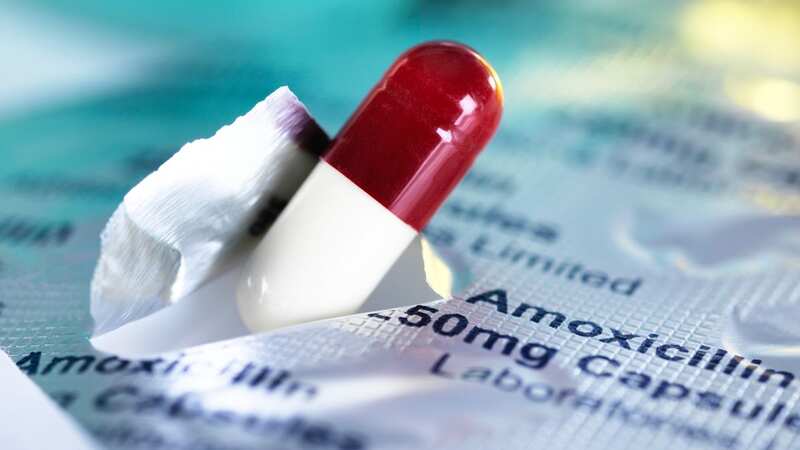
 Penicillin was deemed 'low risk' to many, with 90% of those deemed allergic potentially able to take the drug (stock) (Getty Images/iStockphoto)
But antibiotics used to treat bacterial infections can themselves cause nausea or diarrhoea, with the infection the drug is treating behind the rash in some cases. Those now labelled as allergic to penicillin could be fine to take it according to the medical body. Now, a "national effort" is underway to rectify the potential wrong labels. Even then, the RPS believes many individuals are a "low risk" when it comes to a penicillin allergy, the BBC reported.
Tase Oputu of the RPS said: "Many individuals are at low or very low risk of having a genuine penicillin allergy and we often find that after careful investigation that they can take penicillin safely." She has since urged people to ask questions about allergy labels when at the GP. Childhood allergies appear to be the most common, with listed penicillin allergies in early years having the chance to die down later in life.
Those who underwent severe reactions would need to be tested again and may then be told never to take the drug, Ms Oputu added. The Allergy UK charity has since confirmed a "national effort" is underway to check whether people listed as allergic to penicillin are indeed allergic to the drug. Head of clinical services Amena Warner said: "There is now a national effort to look into this and the best way to approach it." A long wait time is expected, though experts are now compiling detailed symptoms histories of those affected, which can then be given to a healthcare specialist.
 Dr Michael Mosley shares exercise that can cut cholesterol and blood pressure
Read more similar news:
Comments:
comments powered by Disqus