Michael Mosley shares 'unripe' fruit that helps reduce the risk of colon cancer
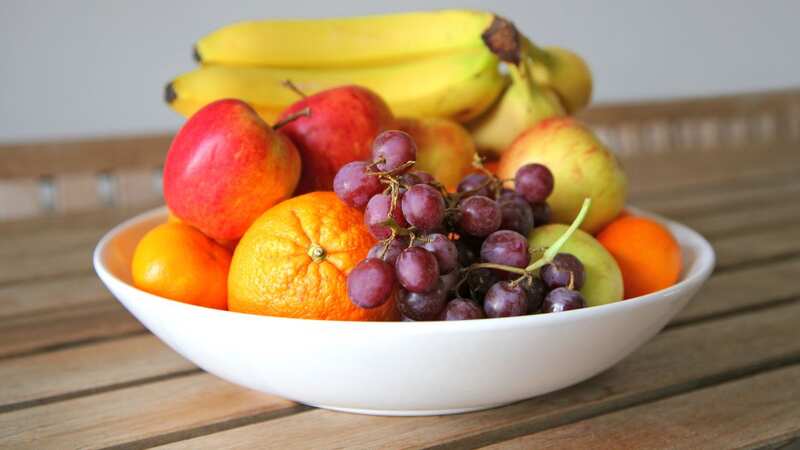
Eating enough fruits and vegetables daily is the key to a healthy and balanced diet, as they are packed with vitamins and nutrients. It's fair to assume that tucking into fruit when it's ripe is the best way to eat it, but it turns out you might be missing out on key health benefits. Green and hard bananas don't sound or look that appealing, but the unripened fruit is packed with key nutrients.
Hailed by renowned TV doctor Michael Mosley, he explains why opting for a green banana instead of a ripe one might be the key to a good and healthy liver. Packed with resistant starch, it can help protect your liver and reduce the risk of developing colon cancer too.
According to the diet guru, resistant starch isn't "readily broken down in the gut" and "acts more like fibre," meaning your blood sugar won't spike when eating it. Resistant starch also "feeds the friendly bacteria in your gut" as it's converted to a fatty acid called butyrate.
The fatty acid does wonders for your gut "including reducing the risk of developing colon cancer", and it's now been found that as well as reducing cancer risks, digesting resistant starch helps reduce the levels of liver enzymes.
During a study conducted at Shanghai Sixth People's Hospital in China, 200 people with a build-up of fat in the liver, from non-alcoholic fatty liver disease (NAFLD), consumed an increased amount of resistant starch to analyse the effects, Mosley explained in The Mail.
 Dr Michael Mosley shares exercise that can cut cholesterol and blood pressure
The patients were given the resistant starch powder twice a day for four months, which resulted in 40% less fat in their livers. Dr Mosley added: "They also had reduced levels of liver enzymes and inflammatory factors associated with NAFLD. The good news is you can easily increase your consumption of resistant starch by eating oats, legumes and green bananas. Or by cooking, cooling and reheating rice, pasta or potatoes."
Read more similar news:
Comments:
comments powered by Disqus