23 September 2023 , 13:00
1229
0
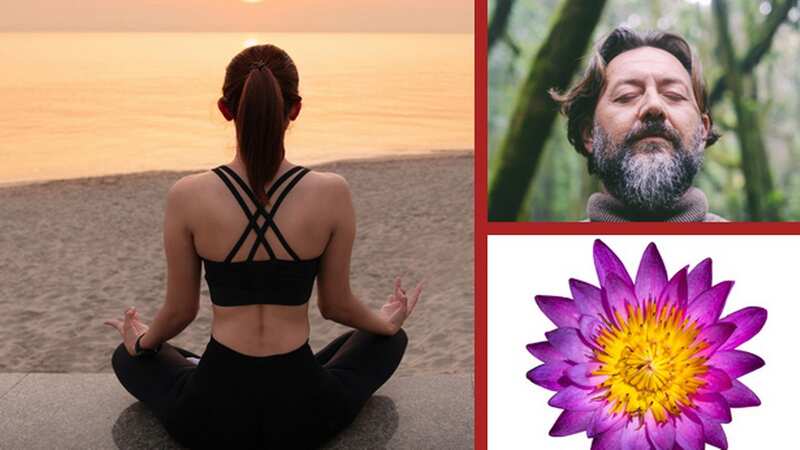
Cutting stress-related high blood pressure is on many of our to-do lists - and new guidelines say we should all try to meditate for around 45 minutes a day to achieve it.
The International Society of Hypertension also lists yoga and listening to music as other great ways to calm your mind, alongside the need to stop smoking and cut down on salt. But according to research published in the Journal of Hypertension, there is more than enough scientific evidence for some less conventional approaches.
Over the years many studies have shown how mental health can be drastically improved by the simple act of meditation. From reducing symptoms of depression and anxiety to improving mindfulness, acceptance and more, the benefits are well documented.
Want to get the latest health news direct to your inbox? Sign up for the Mirror Health newsletter HERE
Many of us live with anxiety, but meditation may well improve symptoms in as little as a few weeks - with many benefits continuing in the long term. The good news is that meditation is much easier than many of us may believe, as website Healthline discusses.
 Teachers, civil servants and train drivers walk out in biggest strike in decade
Meditation is not a complicated process at all, in fact it is so simple and effective that many converts are surprised at why they hadn't tried it before. If you're a beginner, one of the easiest ways to start is to intentionally practice being in the present moment. This could be something very simple such as focusing on your body and breath as you take a 15-minute stroll on your lunch break. Or - and bear with us here - simply switch off your phone (we know, we know) or television and really concentrate on the taste and texture of your food while you eat.
After you've mastered the above and you feel as if you're ready to try a formal meditation practice, Healthline has a few different techniques you might find helpful for reducing your anxiety.
Mantra meditation focuses on repeating a specific thought, word, or phrase throughout the session. Here’s how:
Body scan meditation is very simple in concept. It involves casting an eye over your body and really feeling any sensations. Here’s how to do it:
 Meditation often conjures up images of people sitting in the lotus position - but many people choose to practice it from a chair. (SHARED CONTENT UNIT)
Guided imagery meditation is one of the more popular forms of mindfulness, and involves focusing on visualising calming, positive settings or scenes to help your body and mind relax. Here’s how:
It is a time-honoured response, but it's true - everyone’s journey is different. But research suggests that many of us see marked improvements in our anxiety and mental health in just a few weeks to a few months of consistent meditation.
For example, one study published last year delved into the effects of a six-week online guided Isha Kriya meditation practice on depression and anxiety symptoms. Incredibly, participants experienced significant improvements in their depression and anxiety symptoms with just a fortnight of daily practice.
Academic medical centre Mayo Clinic, based in the US, warns: “Most people with high blood pressure have no signs or symptoms, even if blood pressure readings reach dangerously high levels.”
The NHS says the only way to know if your blood pressure is high is to get it checked. Anyone over the age of 40 is advised to book a reading at least every five years. The Cleveland Clinic explains a blood pressure reading is made up of two numbers – one 'systolic' and the other 'diastolic'.
It says: “The top number is the systolic blood pressure, which measures the pressure on the blood vessel walls when your heart beats or contracts. While the bottom number is the diastolic blood pressure, which measures the pressure on your blood vessels between beats when your heart is relaxing.”
 Greggs, Costa & Pret coffees have 'huge differences in caffeine', says report
As a general guide:
High blood pressure is deemed to be 140/90mmHg or higher (or 150/90mmHg or higher if you're over the age of 80)
Ideal blood pressure is usually said to be between 90/60mmHg and 120/80mmHg
Generally there are few symptoms that point towards hypertension, but the following can sometimes be a sign.
Shortness of breath
Headaches
Nosebleeds
Chest pain
Dizziness
A diet high in salt (or sodium) can raise blood pressure, leading to an increased risk of heart disease and stroke. Obvious things such as not sprinkling it all over your meals is a good place to start, but really you need to limit those foods that contain deceptively high amounts of sodium in the first place.
The Heart Research Institute UK (HRI) says smoked and processed meats are a particular problem, with often large quantities of salt found in sausages, bacon, ham, salami, canned meat and pâté.
Blood Pressure UK explains: “Salt makes your body hold onto water. If you eat too much, the extra water in your blood means there is extra pressure on your blood vessel walls, raising your blood pressure.”
The World Health Organization recommends that healthy adults should consume no more than five grams of salt per day. Blood Pressure UK says it's sensible to limit alcohol and to lose weight if you need to. Also, try not to consume a lot of caffeine and quit smoking.
The charity also says physical activity is a great way to reduce your risk of heart and circulatory disease and bring down blood pressure and cholesterol. If you have concerns that you could have high blood pressure, talk to your GP.